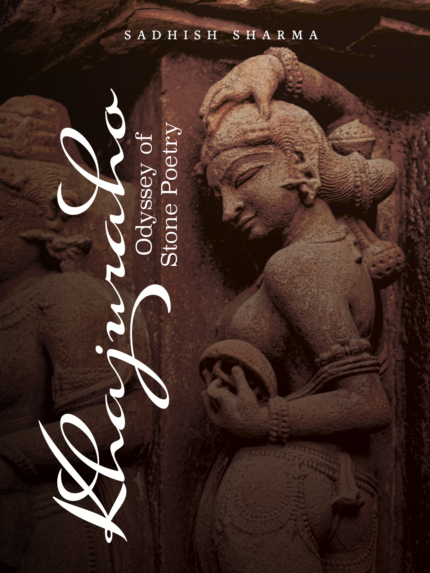
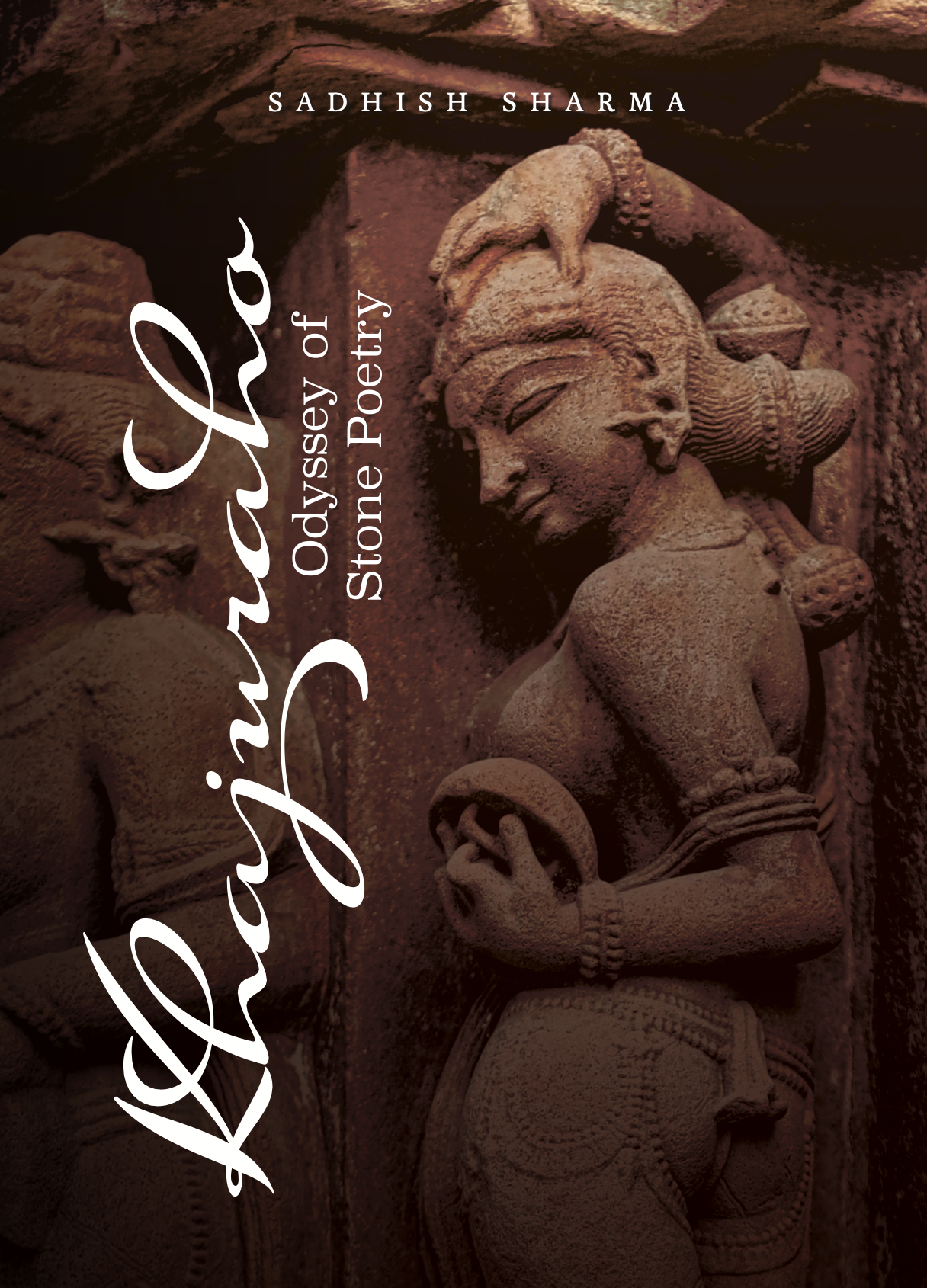
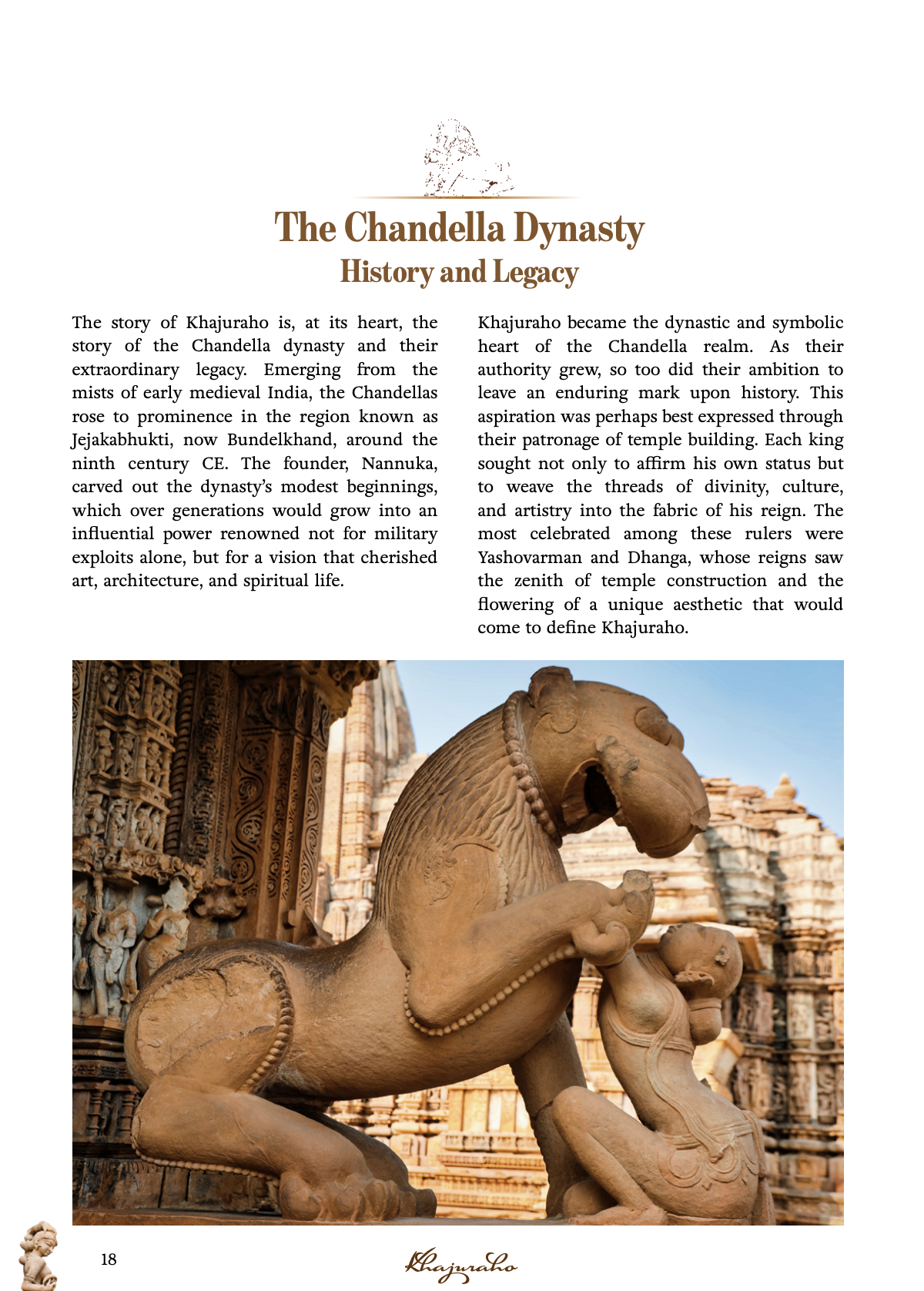
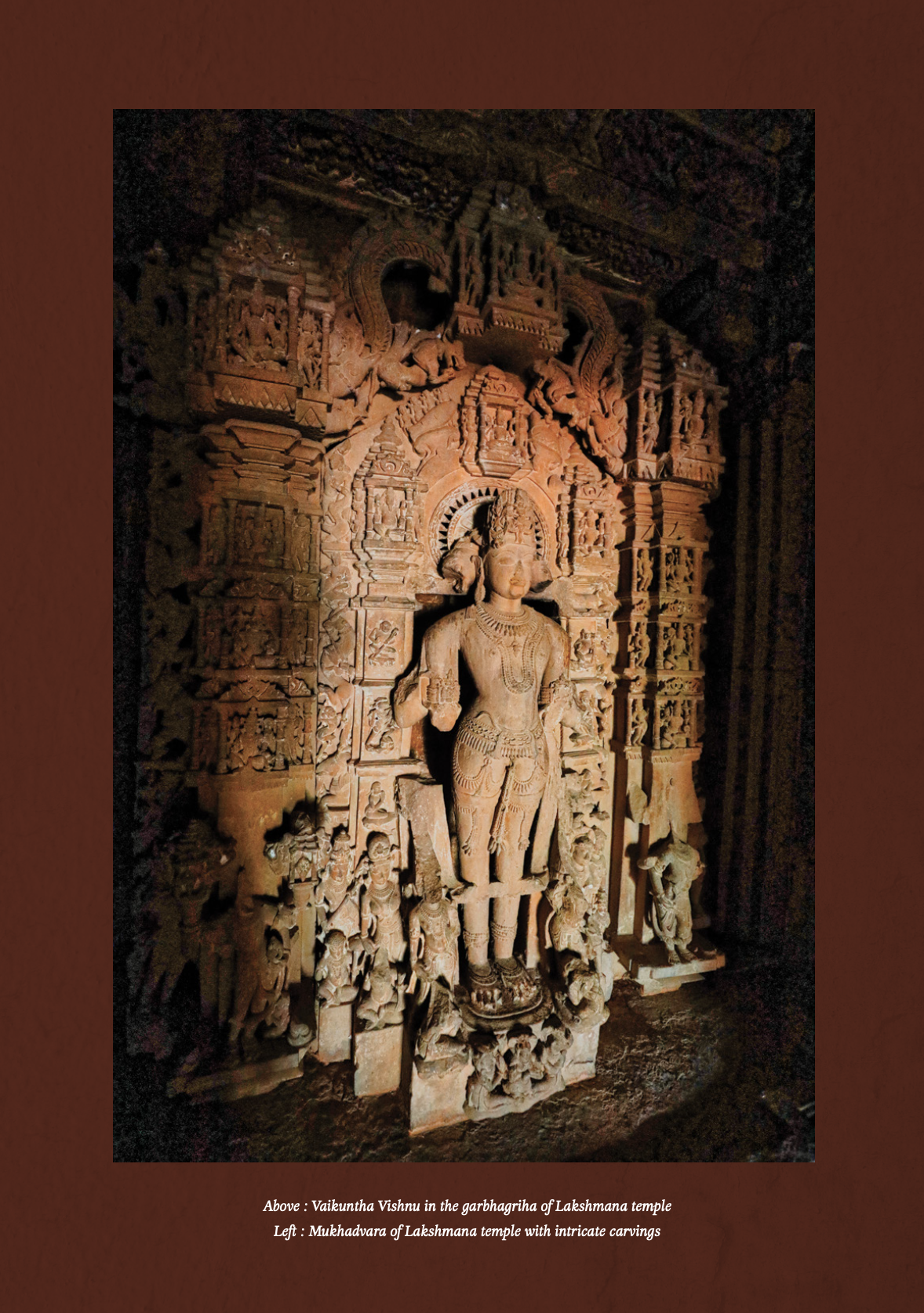
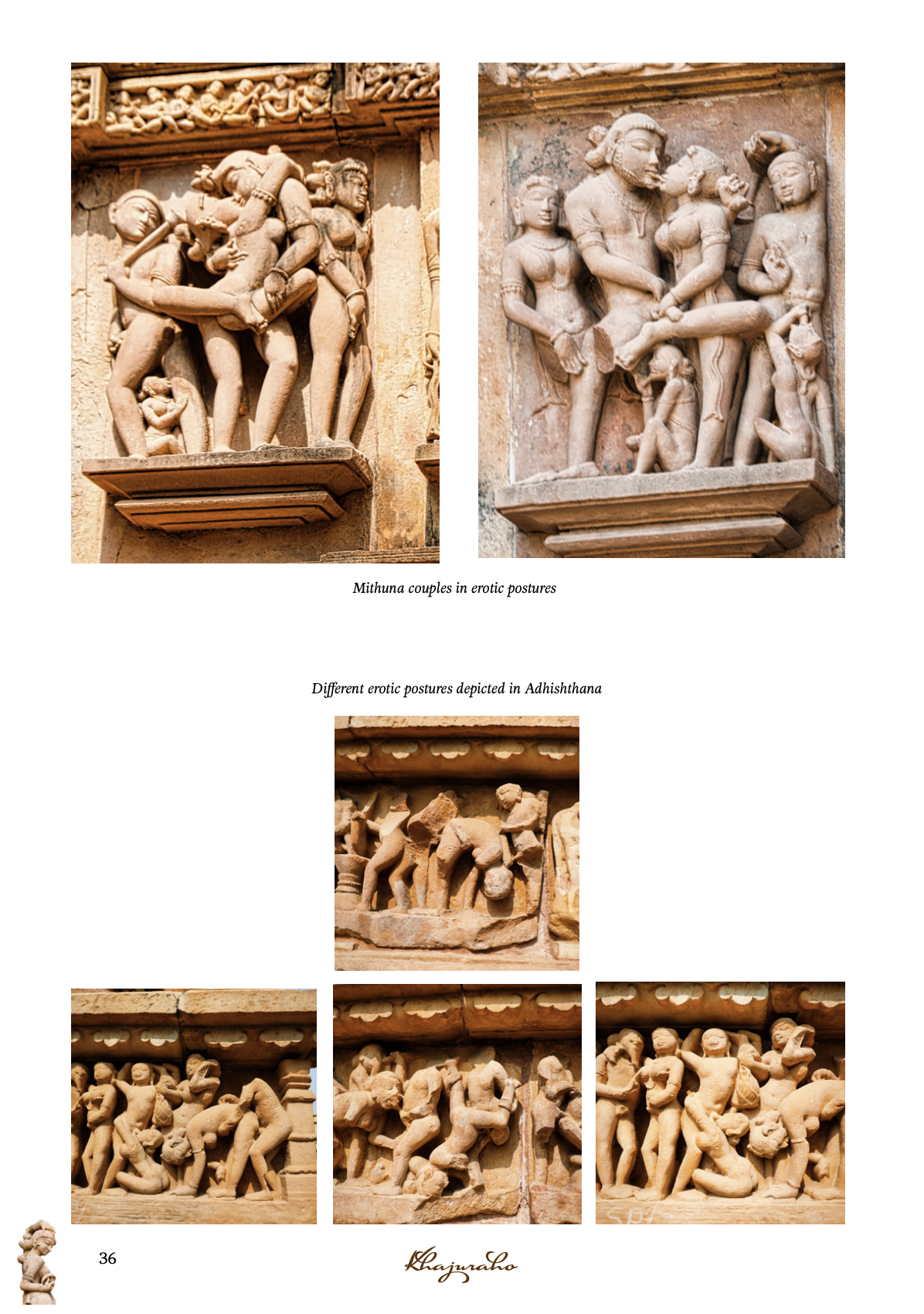
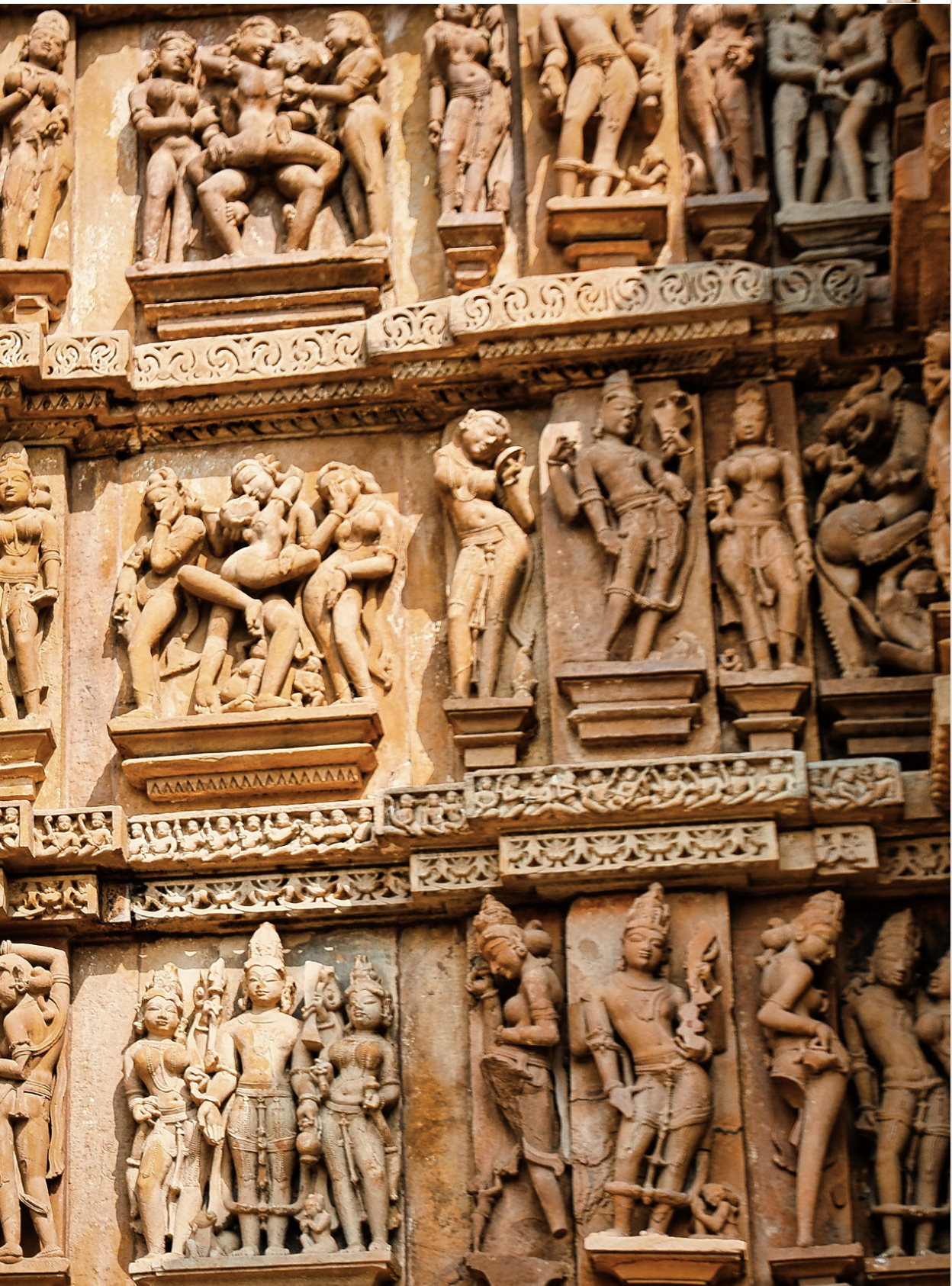
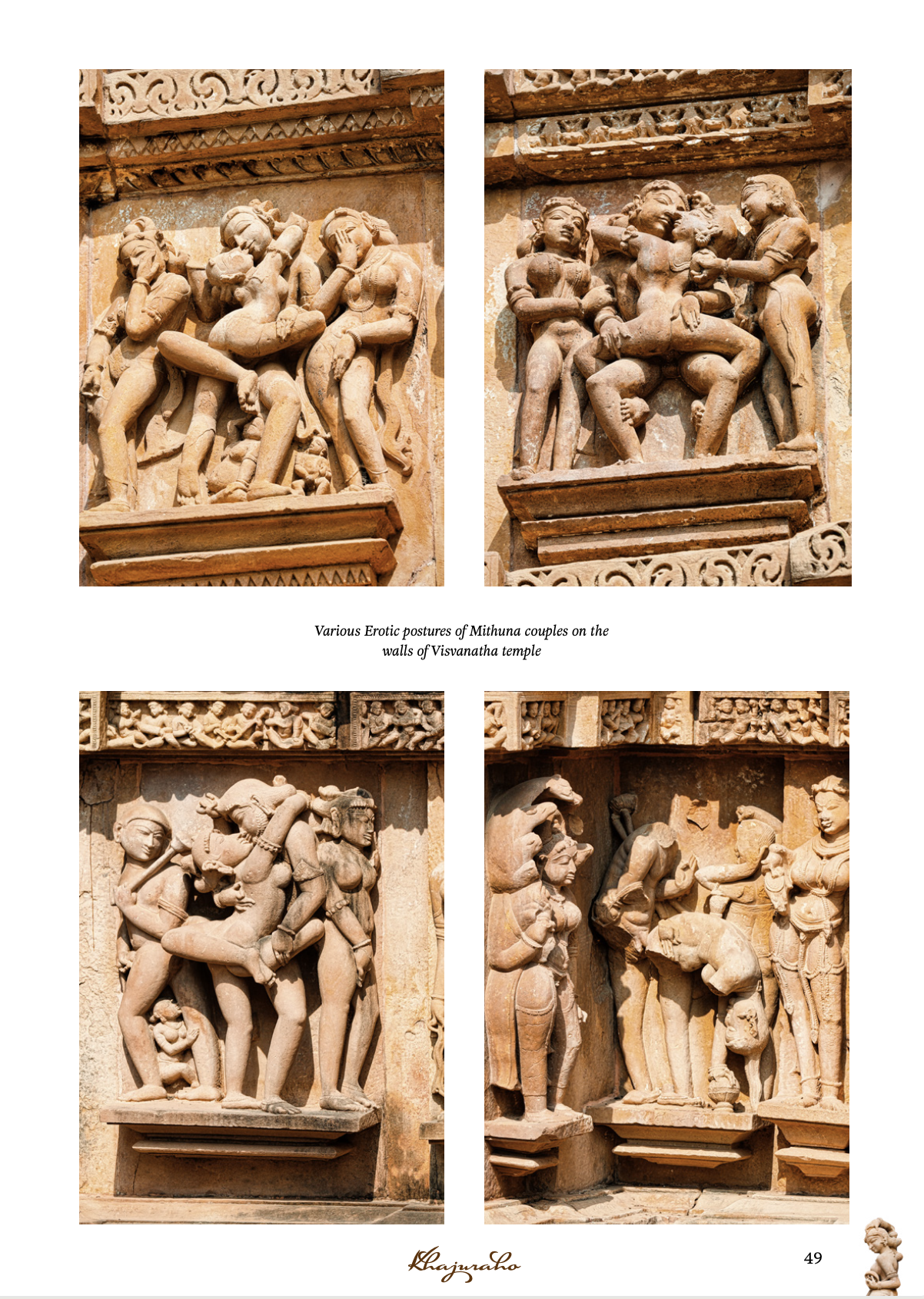
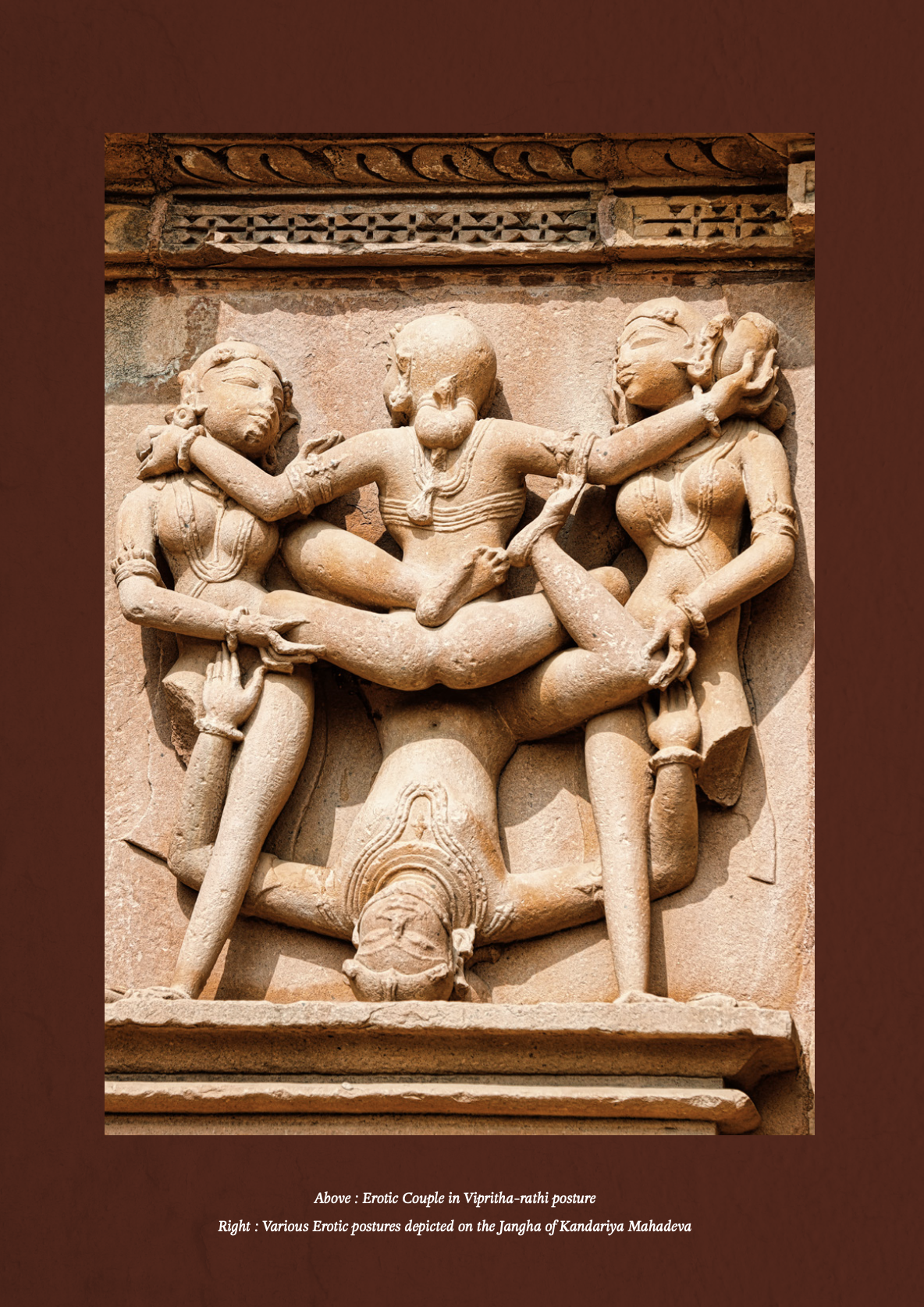
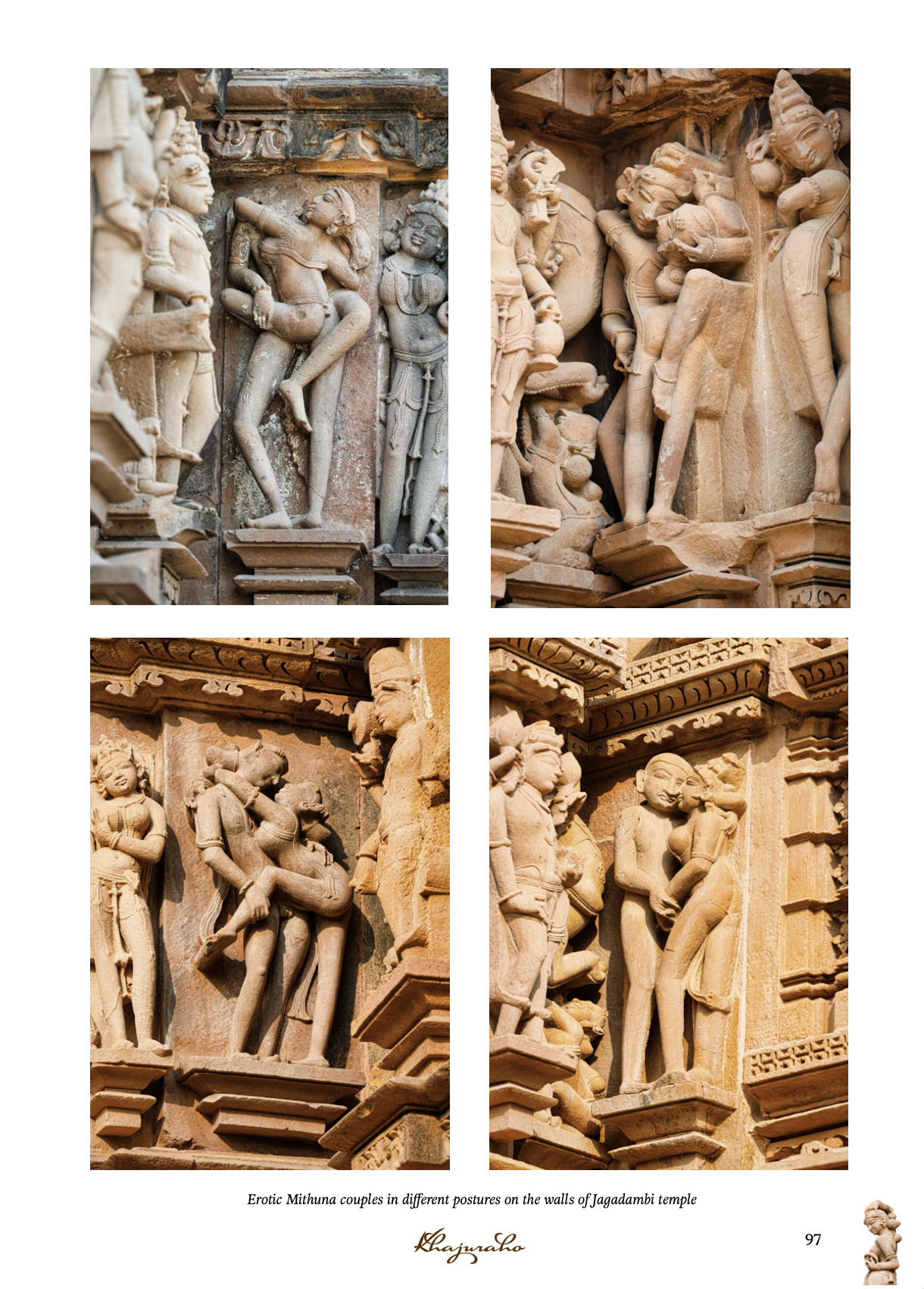
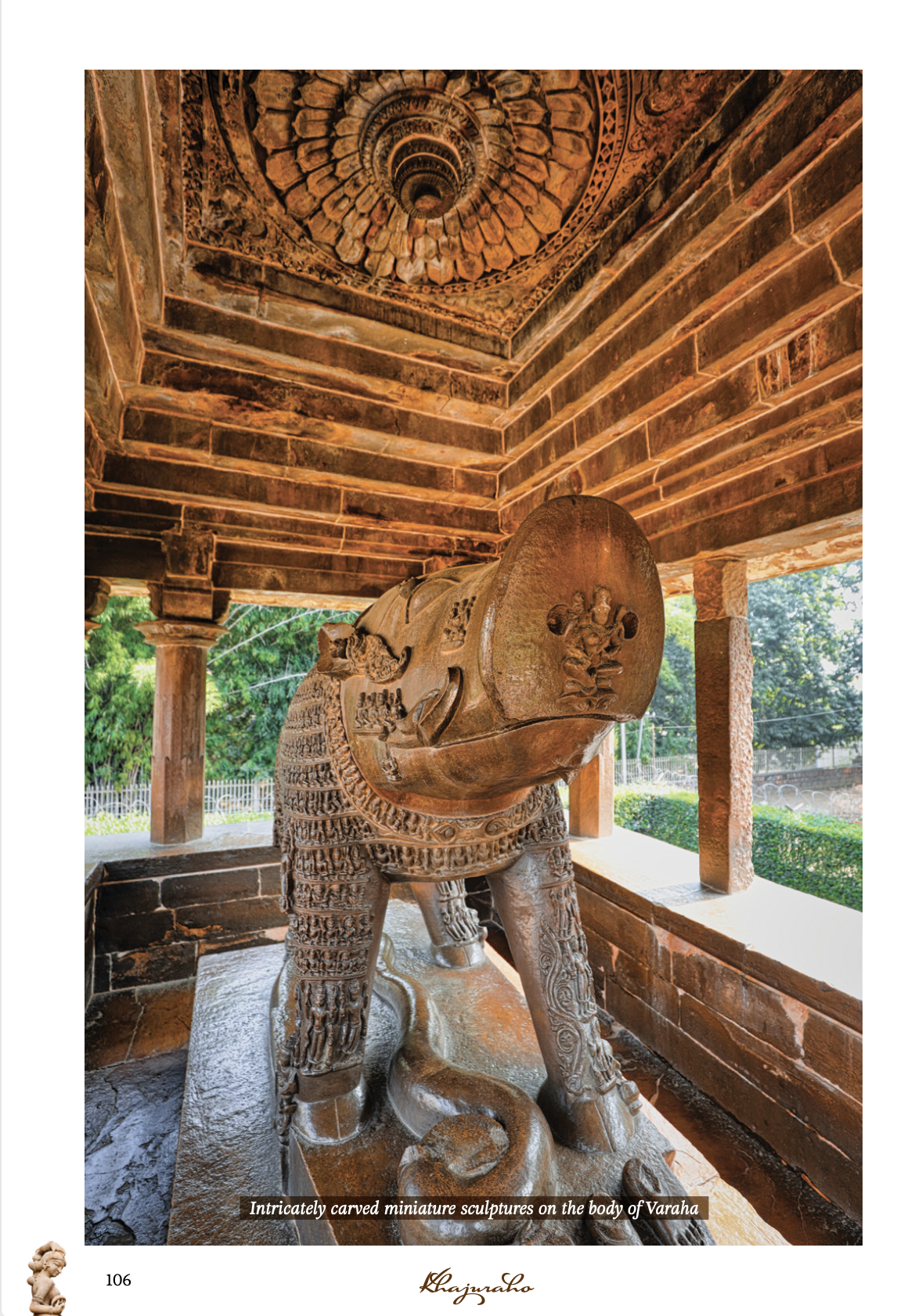
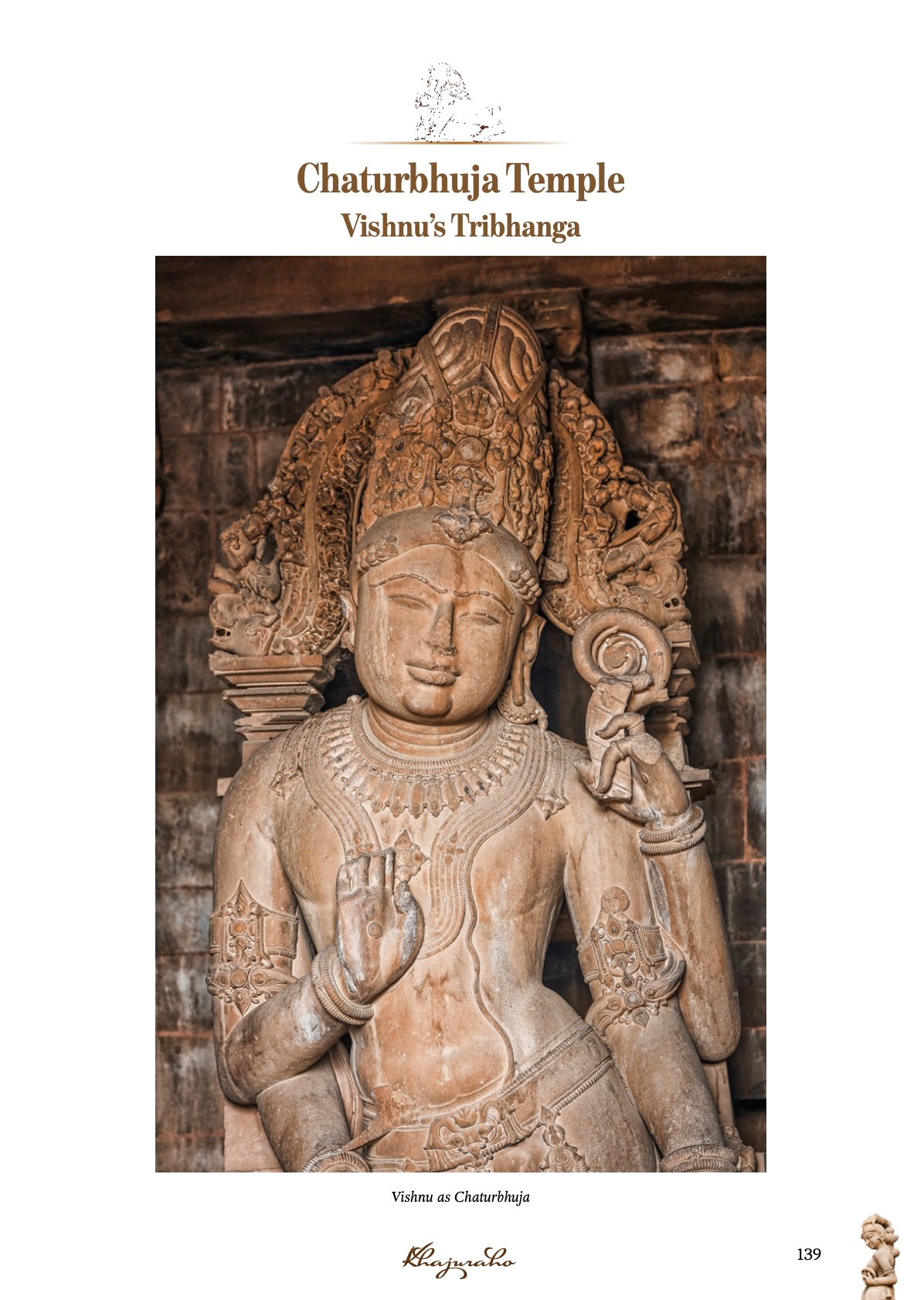
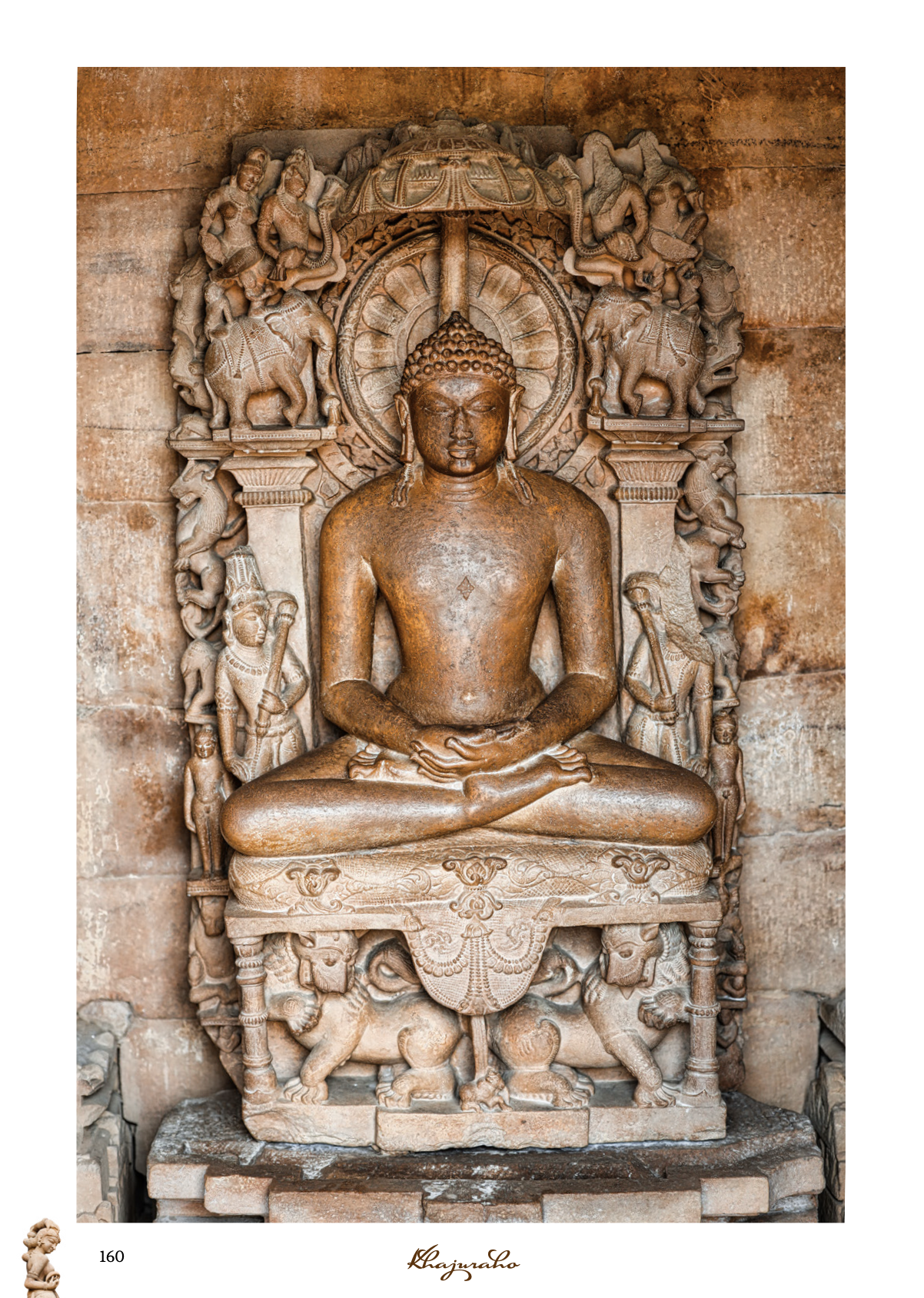
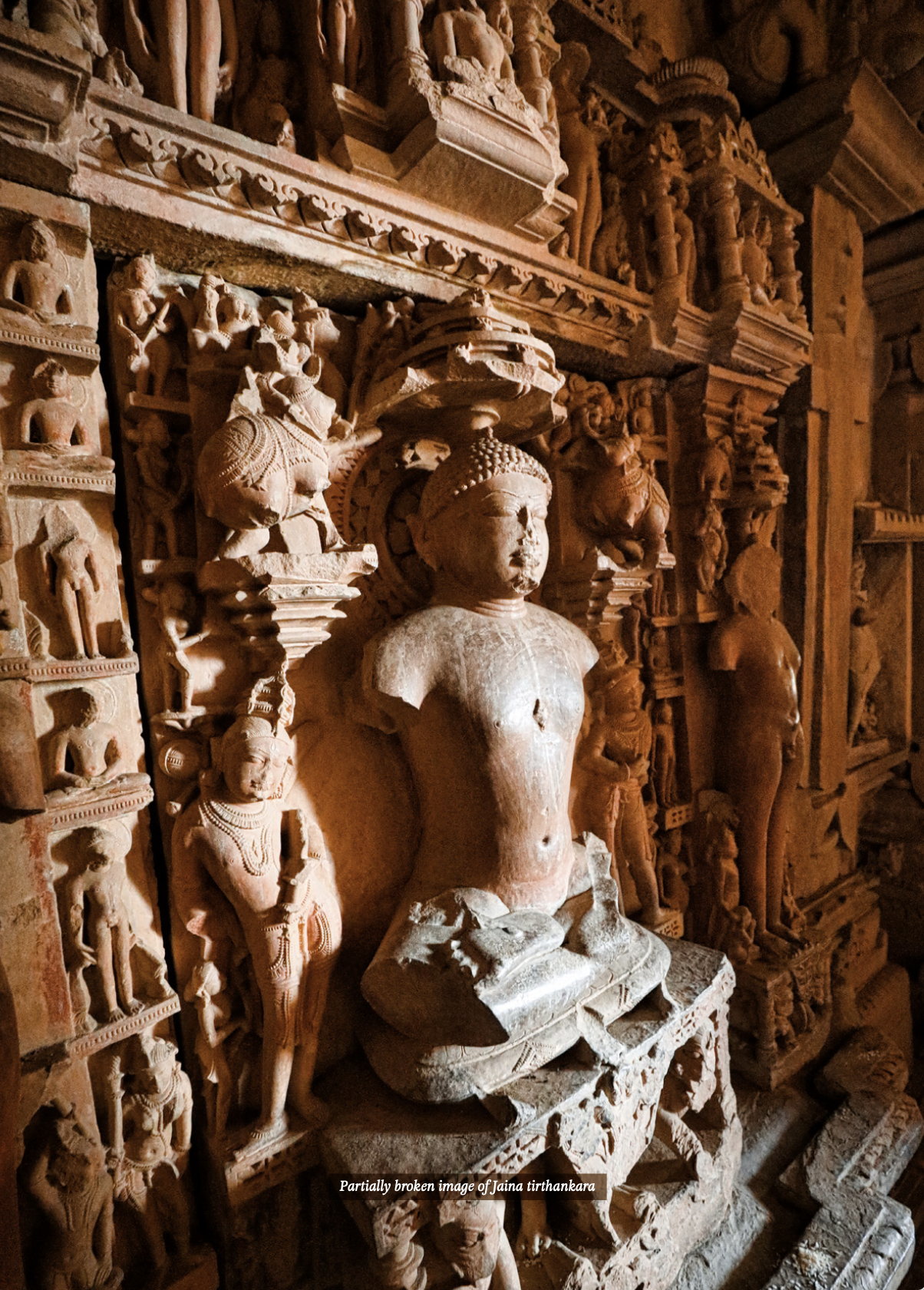
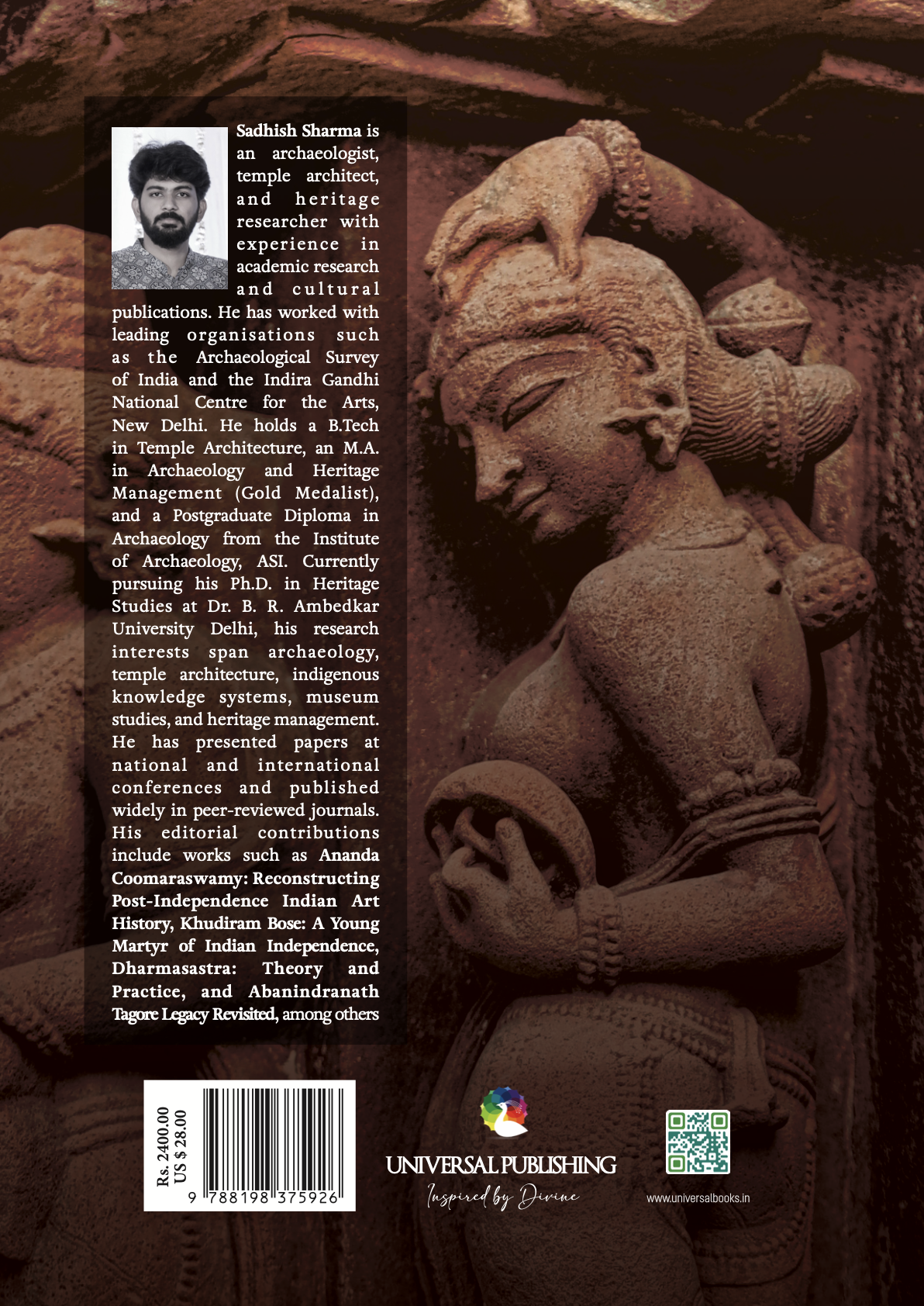
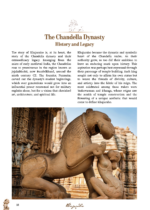
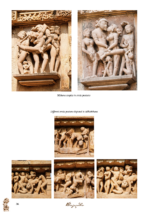
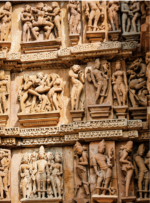
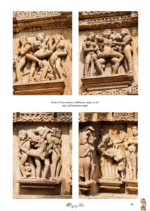
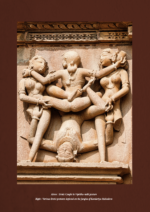
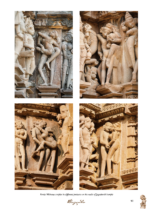
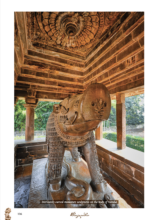
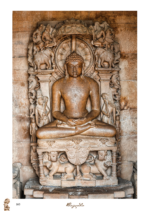
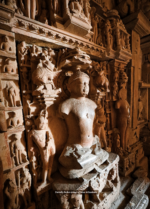

Khajuraho has long held my imagination. With each visit, each quiet hour spent beneath its rising shikharas, something new reveals itself—an expression frozen in stone, a gesture caught mid-movement, or a hidden corner where sunlight gently softens a sculpted contour. What begins as admiration for the temples as architectural marvels soon deepens into something more personal: the feeling of standing in the presence of a place that has grown, endured, and breathed through a thousand years of human endeavour.
This book grew from that feeling. Khajuraho’s story is not merely one of dynasties and dates; it is a living landscape where ideas were chiselled into permanence, where artisans transformed devotion into form, and where the Chandellas imagined a world in which the sacred and the human could coexist seamlessly. Here, gods stand alongside dancers, musicians, ascetics, warriors, and lovers. The stones do not instruct—they invite. They encourage us to look closely, to interpret freely, and to embrace the fullness of life they contain.
Throughout this journey, I found myself drawn equally to the people of Khajuraho: the villagers who kept memory alive when the world looked away; the scholars and conservationists who patiently restored its monuments; and the countless visitors who continue to encounter these temples with wonder. Their presence forms a quiet, enduring thread through the town’s long history—from a sacred settlement to a UNESCO World Heritage Site.
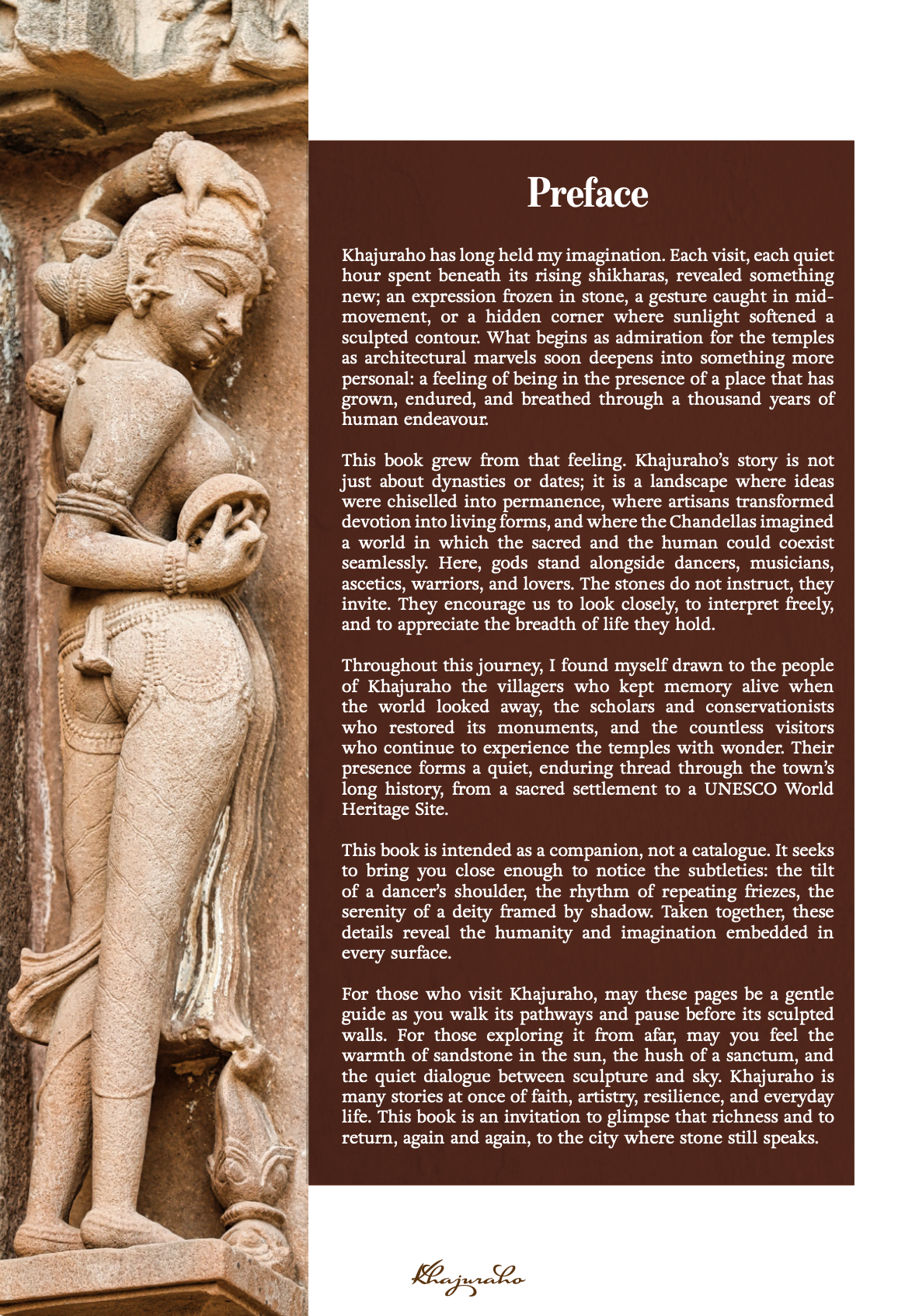
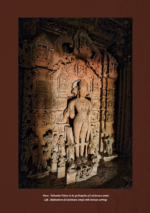
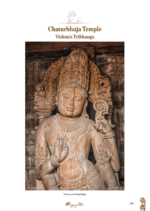
This book is intended as a companion, not a catalogue. It seeks to bring you close enough to notice subtleties—the tilt of a dancer’s shoulder, the rhythm of repeating friezes, the serenity of a deity framed by shadow. Taken together, these details reveal the humanity and imagination embedded in every surface.
For those who walk the pathways of Khajuraho, may these pages serve as a gentle guide as you pause before its sculpted walls. For those who explore it from afar, may you sense the warmth of sandstone in the sun, the hush of a sanctum, and the quiet dialogue between sculpture and sky. Khajuraho is many stories at once—of faith, artistry, resilience, and everyday life. This book is an invitation to glimpse that richness, and to return, again and again, to the city where stone still speaks.